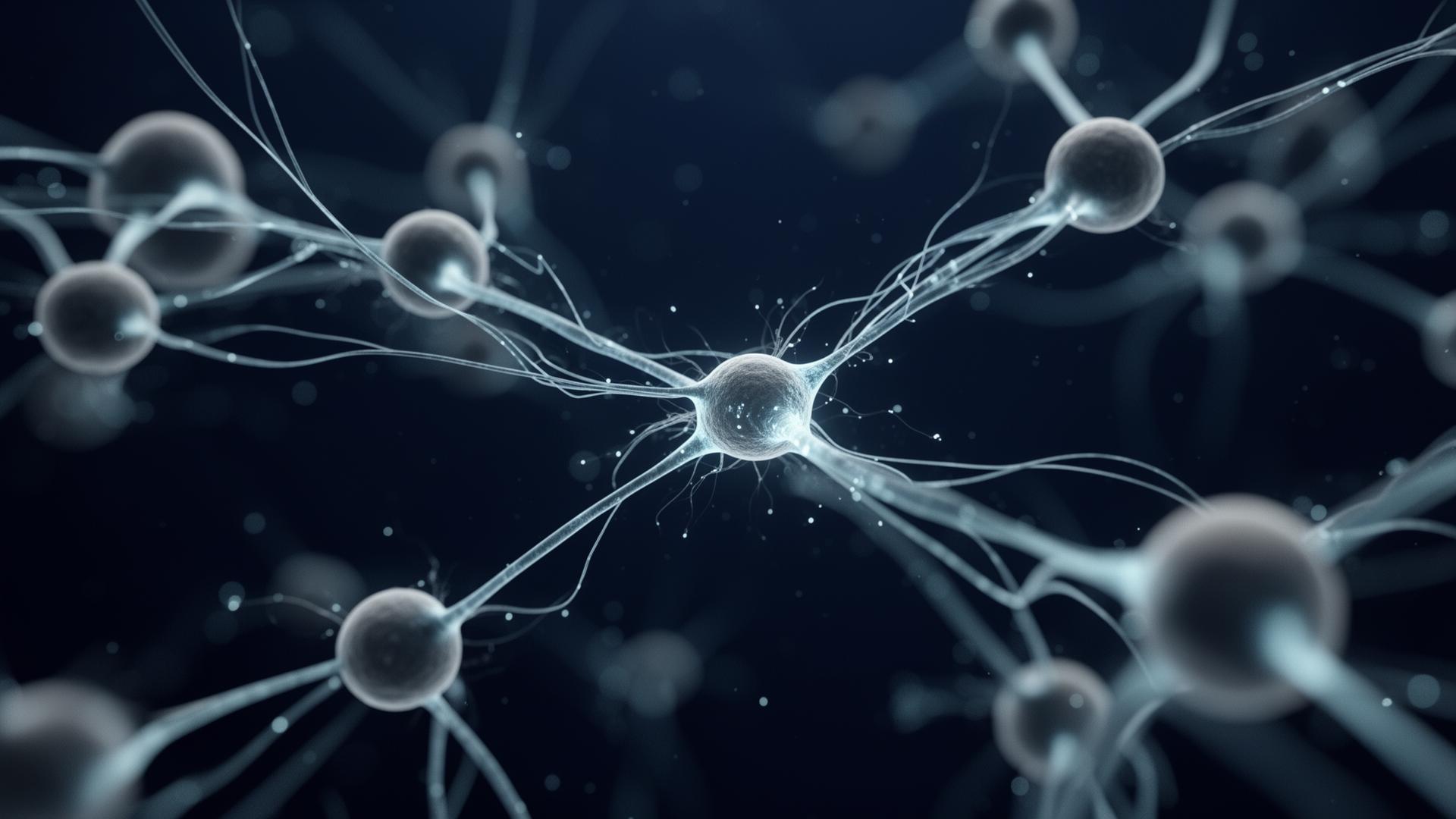
Modern rehabilitation requires a deliberate shift from the structural-pathological model — pain equals tissue damage — to a working biopsychosocial framework. The structural model still anchors how most patients arrive in clinic: convinced that an MRI finding explains their experience and that the right manual technique will switch the pain off. The clinical reality is messier and more interesting. Tissue contributes, but threat appraisal, sleep, social context, prior pain history, and the language a clinician uses all shape the experience the patient ultimately reports.
This primer is a working clinician's overview of three things that change practice: central sensitization as a measurable phenomenon rather than a metaphor, neuroplasticity as the substrate of both chronic pain and meaningful recovery, and the language we use during evaluation and treatment as an active intervention rather than neutral commentary. None of this is new in 2025, but its translation to chair-side work is still uneven across the profession.
Central sensitization is a measurement, not a metaphor
Central sensitization describes a state in which the central nervous system amplifies nociceptive input and recruits previously non-noxious stimuli into pain experience. Quantitative sensory testing can measure components of it: lowered pressure pain thresholds at sites distant from the primary complaint, temporal summation under repeated stimulation, and impaired conditioned pain modulation. Clinically, you see it as widespread tenderness, allodynia at the painful region, disproportionate response to mild loading, and a history of pain that has spread beyond the original injury site.
Recognizing a sensitized presentation matters because the rehab plan changes. Aggressive provocative loading early in care reliably worsens outcomes in this population. Graded exposure, paced aerobic conditioning, sleep optimization, and pain neuroscience education form a more productive starting point. Manual therapy still has a role — primarily as a short-term symptom modulator that creates a window for active interventions — but should not be the centerpiece of care for a patient with clear sensitization features.
Neuroplasticity cuts both ways
The same plasticity that makes chronic pain difficult to dislodge is the substrate of recovery. Repeated experiences of safe movement, accomplishment in graded exposure, and successful re-engagement with valued activities reshape the cortical and subcortical maps that maintain the pain experience. Recovery is not the absence of nociception — it is a system that responds proportionately to input again.
This is why dosing matters more than method in chronic pain. Three sets of an exercise the patient believes is safe, performed three times a week for twelve weeks, will outperform a more elegant protocol the patient avoids. Adherence is a clinical outcome, not a patient personality trait, and it is largely a product of how confident and safe the patient feels with the prescribed work.
Language is the intervention
Words shape threat appraisal. Telling a patient their disc is degenerated, their spine is unstable, or their tissue is damaged carries clinical weight whether you intend it to or not. Substitute non-threatening, accurate alternatives: age-related changes, a system that is sensitive right now, tissues that are settling. None of this requires lying to patients — degenerative findings on imaging are well documented in asymptomatic populations, and the language above reflects that evidence rather than softens it.
Pain neuroscience education works best when integrated across visits rather than delivered as a single lecture. Anchor it to what the patient is actively doing: explain why they can load a sensitive tissue safely today, why a flare does not equal re-injury, and why their experience can change without the imaging changing. Patients who understand why they are doing what they are doing show meaningfully better adherence and outcomes than patients who simply comply.
Putting it together in the next visit
A practical change you can make tomorrow: spend the first five minutes of the next chronic-pain visit asking what the patient believes is causing their pain, then directly address one belief that the literature does not support. Pair that conversation with an active intervention they can complete successfully in session. Document both the educational content and the patient's response. Outcomes in chronic pain populations track far more closely with this kind of integrated work than with any single passive modality, and the clinicians who get good at it tend to get the referrals other providers cannot move.